Cart
0
Complete Your Setup





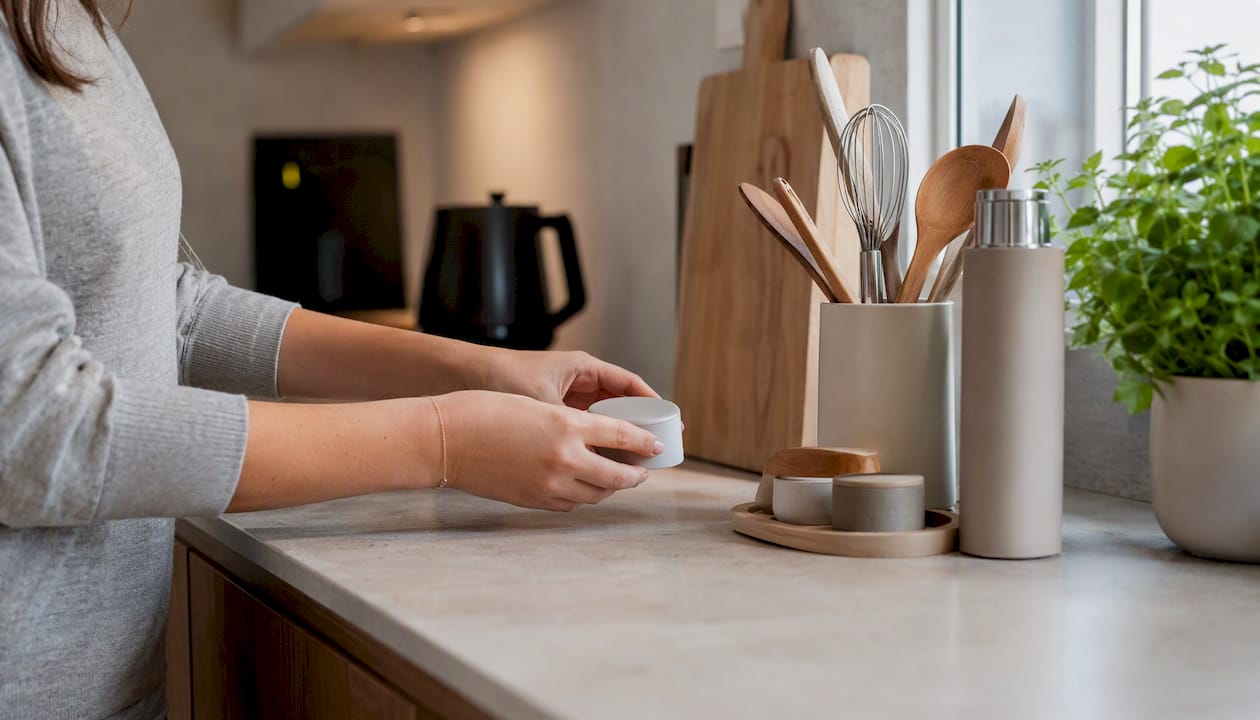
The fastest way to organize any room is a five-step system: empty, sort, zone, contain, label — followed by a 10-minute evening reset every day to keep it that way. That’s the whole method. Everything else in this guide is just detail on how to apply it.
Your 5-step checklist (works in any room):
Start right now: Set a five-minute timer and clear one surface — your kitchen counter, the entryway table, or the bathroom vanity. Just one. That single action builds the momentum that makes the rest of this guide work. Five-minute tasks create real wins and are the most reliable first step when starting a longer project.
A simple, repeatable five-step system (empty, sort, zone, contain, label) combined with a daily 10-minute reset is the most reliable way to organize your home and keep it that way.
| Point | Details |
|---|---|
| Use the five-step loop | Empty, sort, zone, contain, and label every space before buying any containers. |
| Reset daily, not weekly | A 10-minute evening reset prevents accumulation better than any weekend deep-clean. |
| Buy containers last | Measure shelf depth and height after sorting; containers bought before sorting rarely fit. |
| Match systems to real behavior | Store items at point of use, keep daily items visible, and apply the one-touch return rule. |
| Sabezon smart tools speed maintenance | Robot vacuums, electric scrubbers, and smart cleaners reduce the effort of daily upkeep. |
A repeatable process beats a perfect plan every time. The five steps above aren’t a one-time project — they’re a loop you run in each room, one space at a time, using short focused sessions rather than a full-day overhaul.
Here’s how to work through each step:
Empty the space (5–10 minutes). Pull everything out — every drawer, shelf, or cabinet in the zone you’re tackling. This step feels dramatic, but you can’t make good decisions about what stays until you see the full picture. Decision prompt: “Would I buy this again today?”
Sort into three groups (10–15 minutes). Keep, donate/sell, and trash. Don’t create a “maybe” pile — it becomes a permanent pile. For items you’re unsure about, ask: “Have I used this in the last 12 months?” If the answer is no and it’s not seasonal, it goes.
Zone the space (5 minutes). Before anything goes back in, decide what activity happens in this area and group items by use. Cooking tools near the stove. Charging cables near the outlet. Daily-use items at eye level, rarely-used items up high or in the back. Starting with storage spaces first — closets, pantries, cabinets — lets them absorb overflow as you work through the rest of the house.
Contain (measure first, buy second). Once you know exactly what’s staying and where it lives, measure the shelf depth and height before you buy a single bin. A container that doesn’t fit the shelf is clutter. Clear bins work best for most spaces because you can see contents without opening them.
Label everything (2–5 minutes). A label isn’t just for you — it’s for everyone in your household. Labeled zones convert correct behavior into a default. Use a label maker, chalkboard labels, or even masking tape and a marker.
Timeboxing tip: Work in 20-minute focused bursts with a 10-minute break (the 20/10 method). For small tasks that take under two minutes — returning a book to its shelf, wiping a counter — do them immediately rather than scheduling them. That’s the two-minute rule, and it prevents the small stuff from piling up between sessions.
The organizing project gets your home to baseline. Habits keep it there.
Start with the evening reset. A 10-minute reset before bed is more effective than a weekend deep-clean because it stops disorder from compounding. Walk through the main living areas, return items to their zones, wipe one surface, and set out anything you need for the next morning. That’s it. Attach it to an existing trigger — right after dinner, or when you plug in your phone for the night — so it runs on autopilot rather than willpower.
Daily rhythm (under 10 minutes total):
Weekly loop (20–30 minutes, one session):
Seasonal resets (once per season, 1–2 hours):
For shared spaces and families: Landing zones are the single most effective tool. A set of hooks, a tray for keys and mail, and one bin for outgoing items at the entry point dramatically reduces downstream clutter throughout the house. Label shared bins clearly — labels reduce cognitive load for everyone in the household and make correct behavior the path of least resistance. For paper specifically, the FTC recommends opting out of unwanted mail at the source to cut the volume before it ever reaches your counter.
Each room has a different clutter pattern. Here’s what causes it and what fixes it fastest.
| Room | Common clutter cause | High-impact first action |
|---|---|---|
| Kitchen | Too many items on counters; no zones | Clear every counter, assign one zone per activity |
| Pantry | Mixed categories, expired items | Pull everything out, group by category, discard expired |
| Entryway | No designated drop zone | Install hooks + one tray for keys/mail |
| Bedroom | Clothes on surfaces, no “home” for daily items | Assign a landing spot for daily-carry items |
| Closet | Seasonal mix, items without a home | Donate anything unworn in 12 months, group by type |
| Bathroom | Expired products, no drawer zones | Toss expired items, add drawer dividers |
| Living room | Remotes, chargers, blankets with no home | Add one basket per category (tech, reading, throws) |
| Home office | Paper piles, cable chaos | File or shred all paper; use cable clips or a cable box |
| Garage/utility | Mixed categories, floor clutter | Zone by activity (tools, sports, seasonal) using wall space |
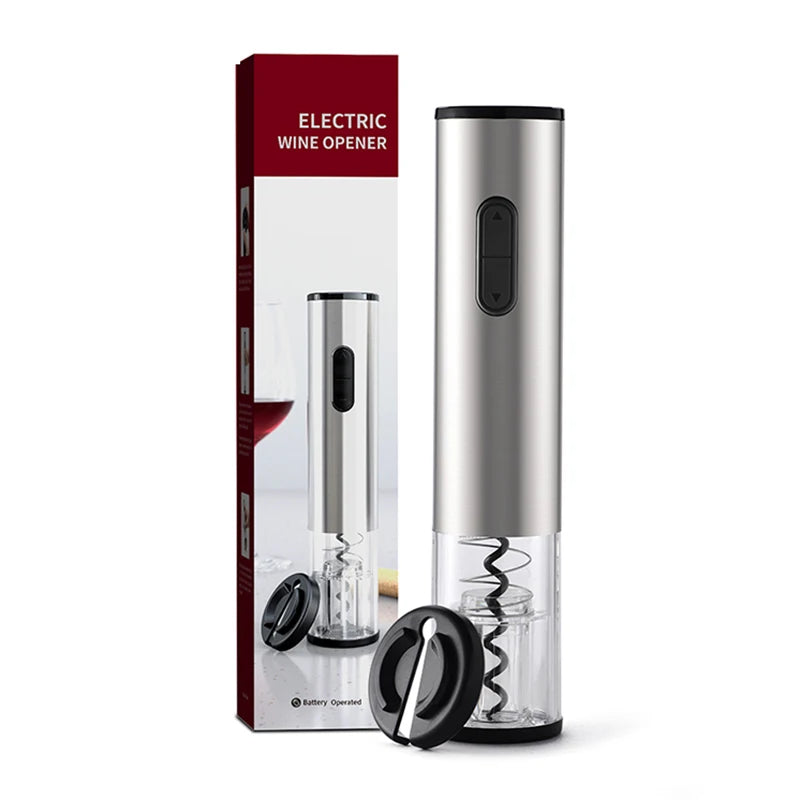
Kitchen and pantry: The counter is prime real estate — only daily-use appliances earn a spot there. Group pantry items by category (grains, canned goods, snacks, baking) and use clear bins so you can see what you have before you shop. Smart kitchen tools that reduce prep time also reduce the number of items you need on the counter.
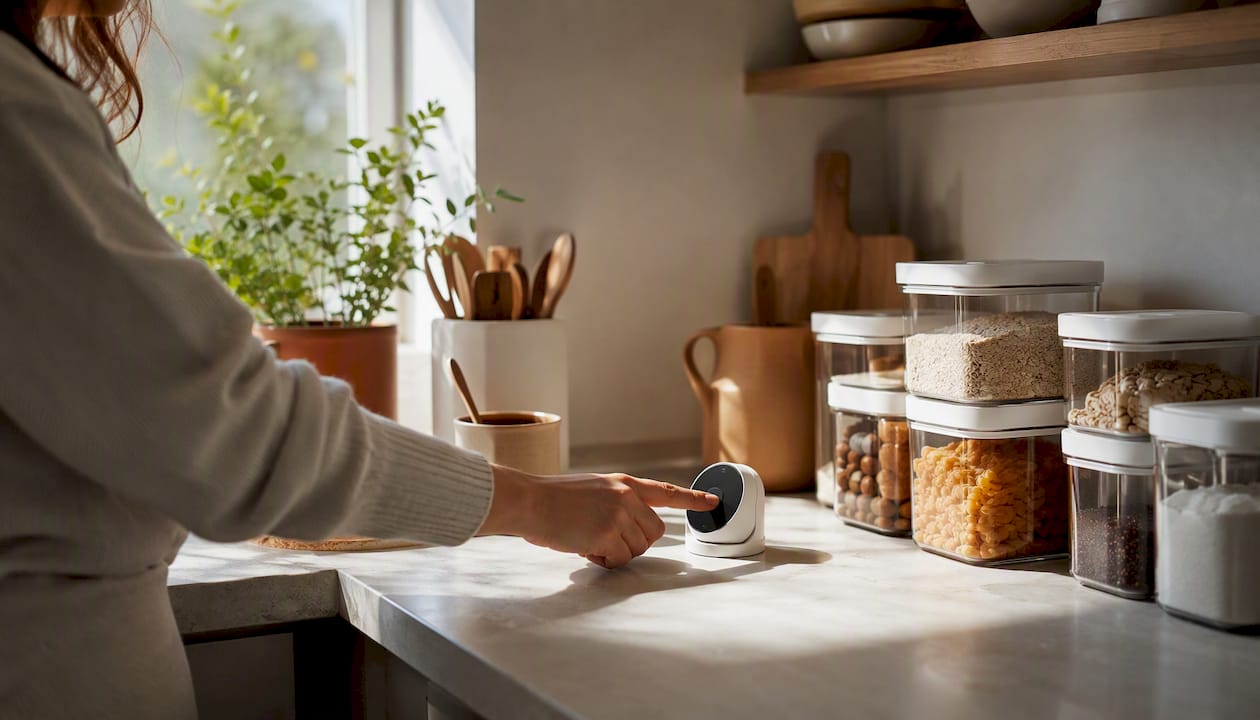
Entryway: This is where most household disorder starts. Nothing else needs to live here.
Bedroom and closet: Clothes on chairs and floors usually mean the closet system doesn’t match your actual behavior. Group by type (shirts together, pants together) and by frequency of use — daily items at eye level, rarely-used items up high. For built-in closet upgrades, professional home organization systems can maximize vertical space in ways DIY shelving often can’t.

Bathroom: Expired products are the biggest hidden culprit. Check every product under the sink and in the medicine cabinet. Add small drawer dividers to separate daily-use items from occasional ones.
Home office and paperwork: Paper clutter has one fix: process it immediately. Use a three-folder system — Action, File, Shred — and handle each piece of paper once. For digital clutter, apply the same logic: one folder structure, consistent naming, and a monthly 10-minute file cleanup.
Sentimental items: These deserve their own container, not a scattered presence across every room. Designate one bin or box per person for sentimental keepsakes. When it’s full, you choose what stays before adding anything new. That boundary makes the decision manageable rather than paralyzing.
Buy containers last. That’s the rule. Declutter first, measure second, purchase third. A bin bought before you sort is almost always the wrong size, the wrong quantity, or both — and it becomes clutter itself.
Once you know what stays and where it lives, these five items cover most organizing needs:
Vertical space is almost always underused. Over-door organizers, pegboards in the garage, wall-mounted hooks in the entryway, and tension rods under the sink all add storage without taking floor space. Measure your wall and door heights before buying — most over-door racks have a standard depth that conflicts with narrow closet doors.
Pro Tip: Design your system for your worst day, not your best. Fewer categories and lower friction are what survive when you’re tired or rushed. If a system requires more than one action to return an item, simplify it.
When a smart gadget genuinely helps, it reduces the time cost of a maintenance task — not the need to do it. A robot vacuum or electric scrubber handles the physical work of floor and surface cleaning so your 10-minute reset stays fast. The tool supports the habit; it doesn’t replace it.
Momentum is the hardest part. These time-boxed tasks get you moving without requiring a free Saturday.
In 5 minutes:
In 20 minutes:
In 60 minutes:
The 20/10 burst method: Work for 20 minutes, rest for 10, repeat. Three rounds gets you through a full 60-minute project without the mental fatigue that makes people quit halfway. Sequence your tasks so each burst has a clear stopping point — finish one drawer, not half of two.
Pick your first three tasks: Choose one 5-minute win, one 20-minute task, and one 60-minute project. Write them down. Do the 5-minute task today. Schedule the 20-minute task for tomorrow morning. Block the 60-minute project for the weekend. That sequence builds real traction without requiring a full-day commitment.
No single method works for every household. Here’s a plain comparison so you can pick one and start.
The 12-12-12 rule: Find 12 items to throw away, 12 to donate, and 12 to return to their proper place. Takes 20–30 minutes. Best for households that need a quick reset without committing to a full sort. Low emotional load, easy to repeat weekly.
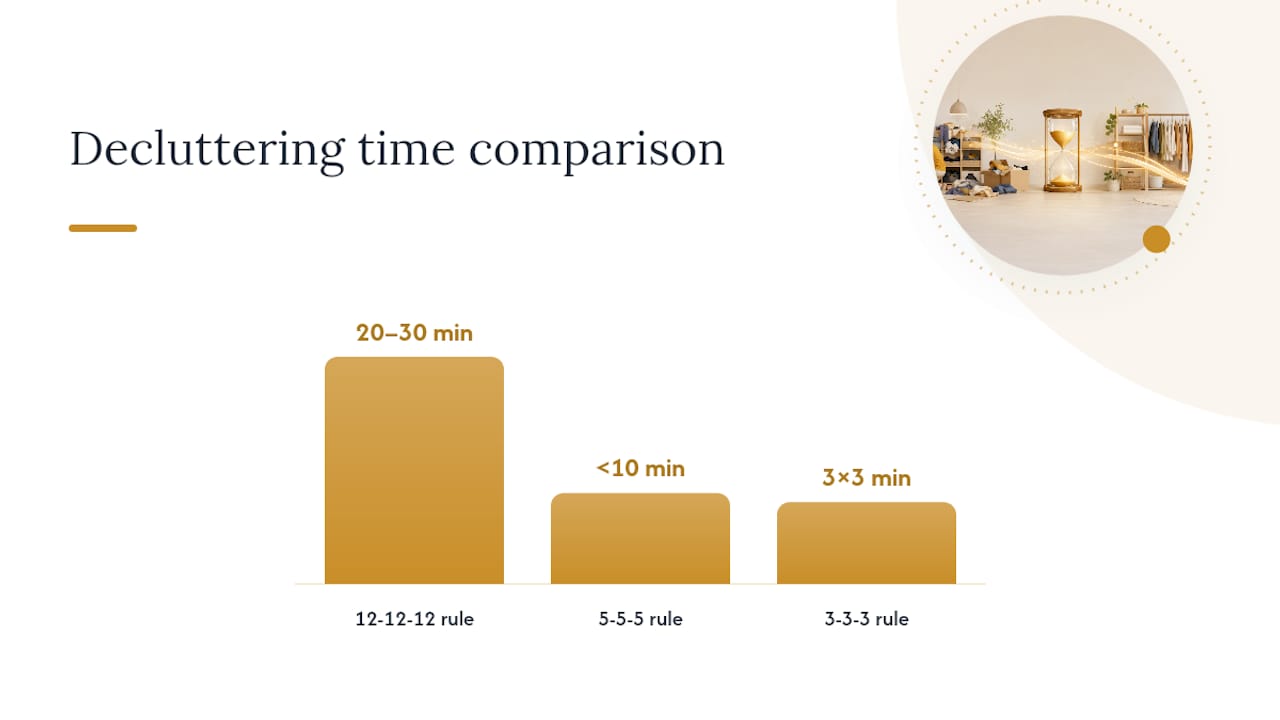
The 5-5-5 rule: Identify 5 items to trash, 5 to donate, and 5 to relocate. Even faster — under 10 minutes. Good as a daily micro-habit or a warm-up before a longer session.
The 3-3-3 rule: Pick 3 rooms, spend 3 minutes in each, and remove 3 items per room. Designed for busy days when you have almost no time. The constraint forces quick decisions.
KonMari (category-based): Gather every item in a category — all clothing, all books, all kitchen tools — from every room at once, then decide what stays based on whether it adds value to your life. Tackling a category across the whole home reveals the true quantity you own and prevents the invisible accumulation that room-by-room sorting misses. Higher time commitment, but more thorough.
Category vs. room approach: Room-by-room works well for maintenance and quick resets. Category-based works better for a first-time deep sort or when clutter has spread across multiple rooms. Many households benefit from doing one category pass first, then maintaining room-by-room.
How to choose:
Donation and exit workflow: Keep a standing “outbox” — a bin or bag near the door — for items leaving the home. When it’s full, drop it at a donation center. Goodwill, The Salvation Army, and local Buy Nothing groups all accept household goods. For larger items, Facebook Marketplace and Craigslist move furniture quickly. The outbox prevents donated items from sitting in a corner for months and quietly becoming clutter again.
The reason most organizing projects fail isn’t motivation — it’s friction. Systems that require too many steps, too much thought, or too much effort on a tired Tuesday evening don’t survive contact with real life.
Four principles fix this:
Visibility. If you can’t see it, you forget it exists. Clear bins, open shelving for daily items, and hooks at eye level all use visibility to make the right choice automatic. Hiding things in opaque boxes works only for rarely-used items.
Accessibility. Items you use daily should require one motion to reach — open a drawer, grab the item. Items that require moving three things to access will migrate to the counter within a week. Design systems around real use patterns, not ideal ones.
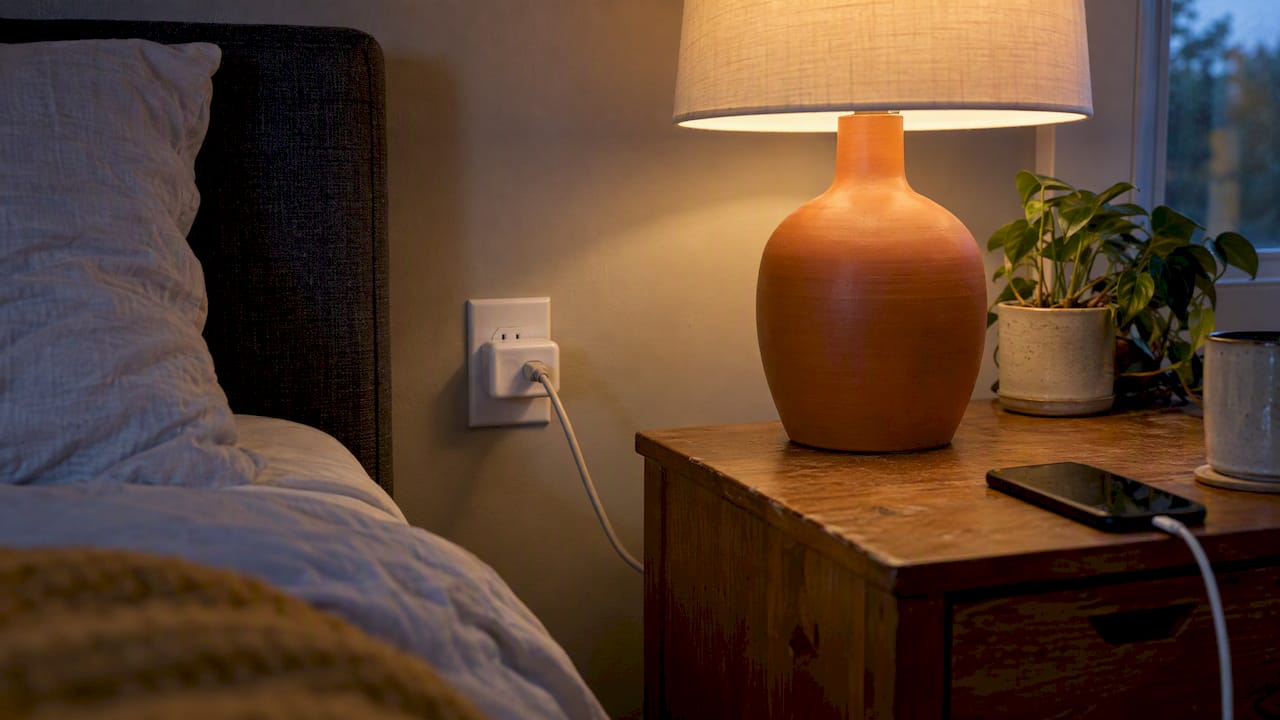
Proximity to point of use. Store items where you use them, not where they “belong” in theory. Coffee supplies next to the coffee maker. Phone charger on the nightstand. Cleaning supplies in the room where you clean. This single principle eliminates more misplaced items than any labeling system.
The one-touch rule. Every item should go directly to its home in one motion. If returning something requires a detour — setting it down, then moving it later — it won’t happen consistently. Design zones so the direct path is also the correct path.
Landing zones in practice: The entryway landing zone is the highest-leverage spot in any home. Hooks for bags and coats, a tray for keys and mail, and one bin for outgoing items handle the daily inflow that causes most downstream disorder. Once the landing zone works, the rest of the house stays cleaner with less effort.
One-in-one-out: Every time something new enters the home, one item leaves. This is the most reliable way to prevent clutter from returning after a big sort. Apply it to clothing, kitchen tools, books, and toys. Managing inflow consistently addresses the root cause of household disorder rather than just treating the symptoms.
Pro Tip: Label shared spaces with both the category name and a simple visual cue (a small icon or color band). In households with kids or multiple adults, visual labels reduce the “where does this go?” question to zero and make correct returns the default behavior.
The biggest mistake people make with home organization is waiting until they have enough time to do it right. There is no “right” — there’s only done and not done.
A 10-minute evening reset repeated every night for 30 days does more for a home than a single eight-hour Saturday overhaul. Small, repeatable routines beat big dramatic cleanups because they prevent accumulation rather than reversing it. The overhaul feels productive, but without the daily habit, the same clutter returns within two weeks.
Start imperfectly. Clear one surface today. Run one 5-minute task. Attach a 10-minute reset to your after-dinner routine tonight. The system doesn’t need to be beautiful — it needs to be repeatable on your worst day, not just your best one.
You don’t need gadgets to get organized. The five-step system works with nothing but your own two hands. That said, a few well-chosen tools cut the time cost of maintenance tasks significantly — and when maintenance is faster, you actually do it.
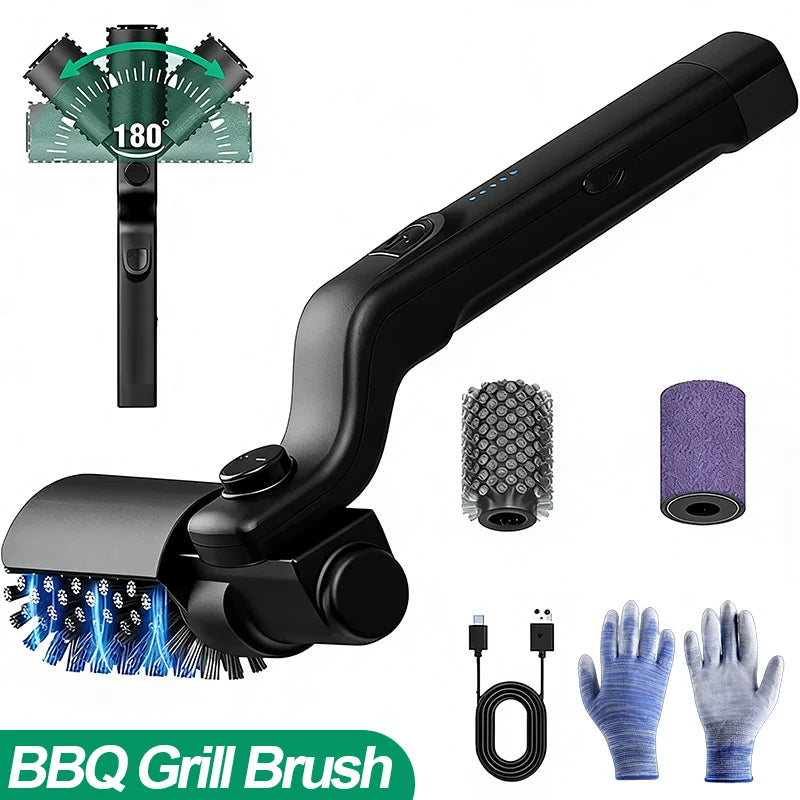
Sabezon offers a range of practical smart home tools designed to reduce the effort of daily upkeep. A robot vacuum handles floor cleaning automatically, so your evening reset doesn’t include sweeping. The GlassPilot™ Smart Window Cleaner takes one repetitive task off your weekly list. Smart cleaning tools like electric scrubbers and steam cleaners cut the physical effort of surface maintenance — which means your 10-minute reset stays at 10 minutes even when the house needs a real clean. Every product ships with a clear return policy, so you can try what works for your system without risk. Browse the full range and find the tools that fit your routine.