Cart
0
Complete Your Setup





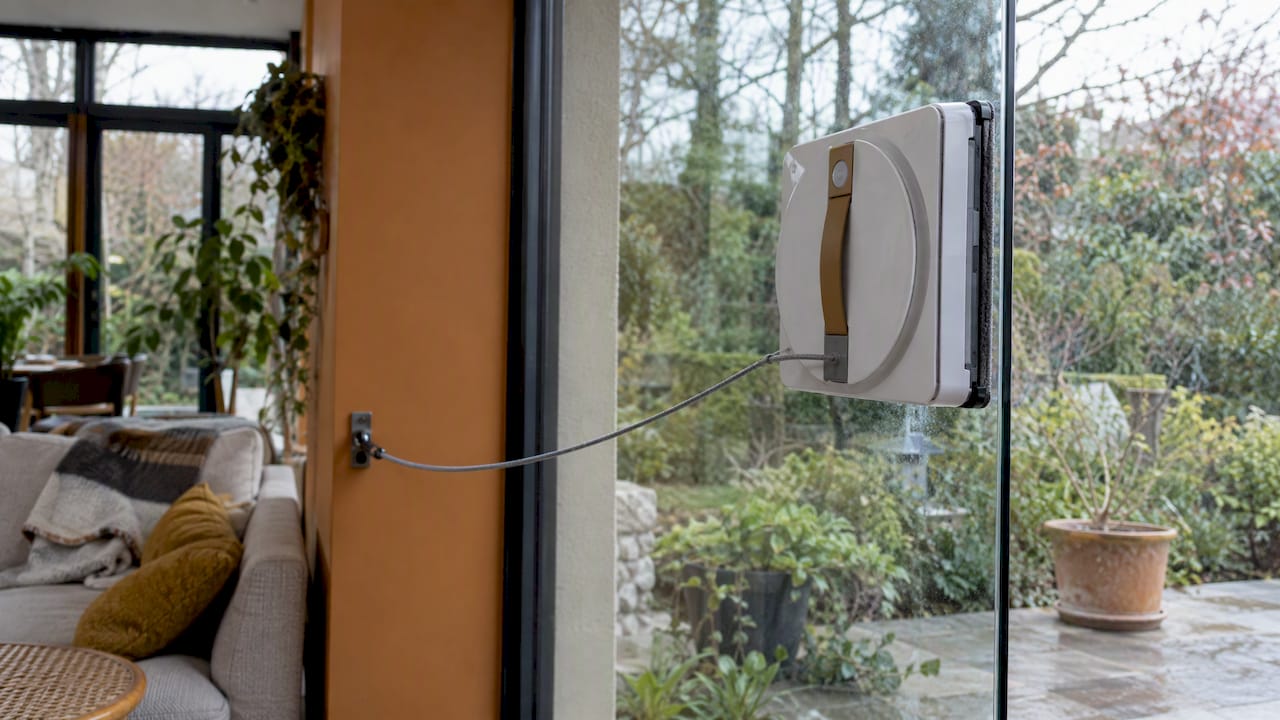
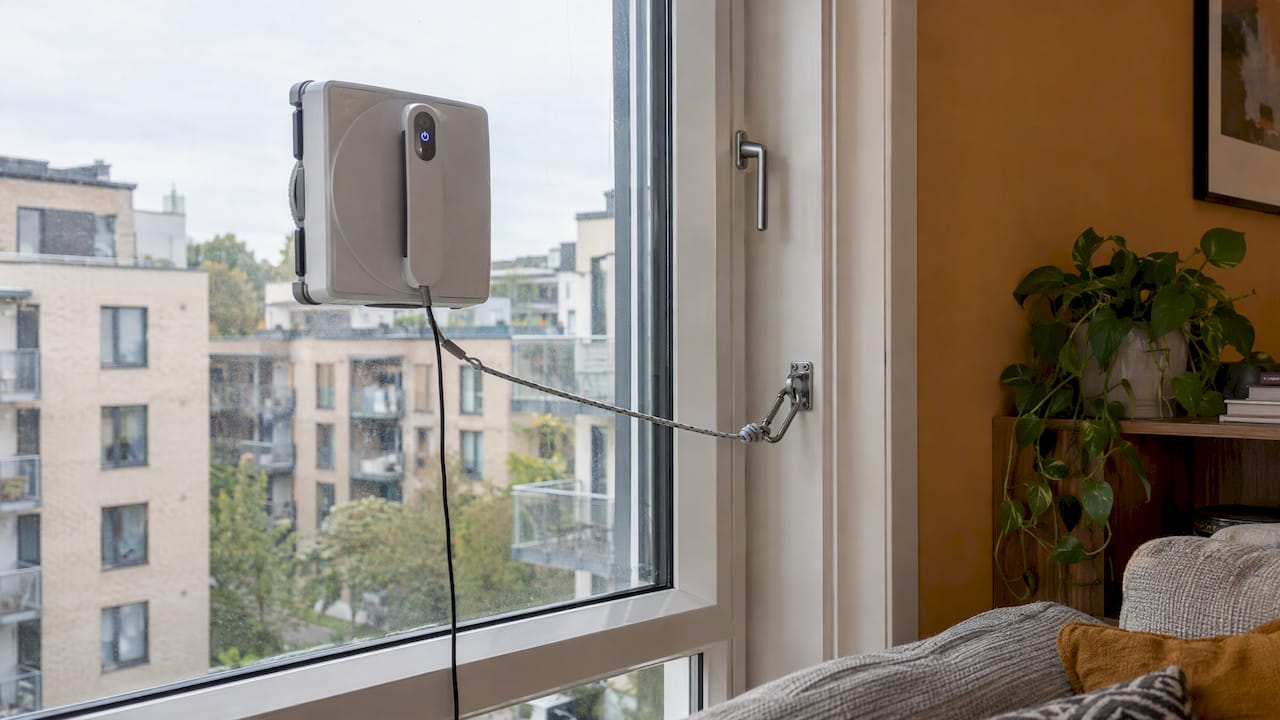
Yes, a window cleaning robot can work on frameless glass, but only the right robot on the right glass, and only if you set it up carefully. Frameless panes have no border for the robot to sense, so edge detection, suction and the safety tether matter more than any smart feature. Below, you’ll find how these robots handle bare edges, a checklist to run before you buy, a step-by-step first run and the cases where you should skip the robot.
A framed window gives a robot a clear border. The robot’s body bumps or senses the frame and turns around. Frameless glass has none of that. The glass simply ends, and the robot has to know it is about to leave the surface.
That is why the same machine can feel flawless on a patio door and nervous on a shower screen. Three things change on frameless glass:
Smooth, flat glass is the friendliest surface. A robot suctions to vertical glass and cleans in simple, straight passes, as the Wirecutter review of a compact window robot describes. The same review notes it doesn’t work on oversize or irregular windows.
Good frameless-capable robots combine a few systems. You don’t need to be an engineer to shop for them. You just need to know what to look for on the box and in the manual.
Sensors around the robot’s body detect where the glass stops. Some brands advertise four sensors or more. When the robot reaches the border, it turns and starts the next pass. Look for a model that says plainly it is designed for frameless glass. Vague language like “detects edges” is not enough.

Suction holds the robot to the pane. Near the border, the seal can weaken, so better models raise suction as they approach the edge. A ranking of eight tested models lists suction in pascals and whether a safety leash is in the box. One top-ranked model is listed at 2,800 Pa with a 4.5 m nylon leash and carabiner. Compare those numbers, not just the price.
If the power cable gets unplugged or the outlet trips, the robot stays on the glass for a short time on its internal battery. According to the research we reviewed, backup battery life is typically 20 to 30 minutes on major brands as of 2026. That gives you time to get to the robot. It is not a reason to walk away.
The tether is the last line of defense. It should be attached to a secure fixture before the robot touches the glass. The tethers supplied in the box range from about 2.8 m to 4.5 m, based on the same Wirecutter review. A short tether on a wide pane means the robot can’t reach the far edge. A long one with slack can tangle.
Independent testers don’t agree on everything, which is useful. Read the verdicts together.
The pattern is clear. Robots shine on big, flat, smooth panes you hate cleaning. They disappoint on fussy glass.
Go through this before you spend anything.
| Check | Good fit | Skip or be careful |
|---|---|---|
| Surface | Smooth, flat, clean glass | Textured, patterned, frosted or curved glass |
| Condition | Intact glass | Cracks or chips |
| Gaps between panes | Tight seams | A gap wider than about 3 mm |
| Size | At least about 12 by 16 inches | Smaller panes, narrow slivers |
| Hardware | Flush glass, few fixtures | Large handles, clamps and hinges across the cleaning path |
| Stickers | None | Static cling stickers or raised patterns |
| Tether point | A strong fixture within reach | Nothing secure nearby |
The 3 mm gap and the stickers rule come from the PCMag UK review and the research notes we reviewed. Minimum glass size varies by brand, and about 12 by 16 inches is typical for leading brands. Always check your own robot’s manual.
Shower glass is the most common frameless use. It is smooth and flat, and water spots are the main enemy. Make sure the pane is dry enough for the pad to grip and free of heavy soap film.
Glass doors work well when they are large and flat. Watch for handles and locks.
Glass balustrades and exterior panes need the most caution. A fall from height is a real hazard. Tether every time, check the tether point and don’t clean while anyone is below.
Tech journalist Cat Ellis makes the point in her TechRadar review: these gadgets aren’t set-and-forget like robot vacuums. Setup is the main challenge, especially the tether and the cable slack. A short period of monitoring is part of the job.
On windows you can’t fully open, the tether and cable can pinch or tangle. The robot then can’t reach the border and leaves a strip of dirty glass. Before you start, check that your tether length allows full movement across the whole pane.
Buyers often chase app features. The better question is whether the robot stays predictable on your glass. A buying guide from The Consumer’s Guide puts it this way: what separates a good robot from a bad one is not raw suction, but whether it stays predictable on your particular glass. Analysts at The Bot Scout also advise putting leash quality and suction ahead of flashy extras, and they warn that many low-cost units skimp on safety parts.
A short buyer’s list:
That last point matters. Reviews are a guide, but your glass is the test.
We sell smart cleaning gadgets because we believe homes should take less effort. That includes window cleaning. But we also believe in telling you what a product can and can’t do.
A window robot is a good fit if you have large, flat, smooth glass that is a pain to reach or wipe. It is a poor fit if your windows are textured, curved, cracked or full of dividers. Frameless glass sits in between. It can be a great match, but it asks more of you in setup.
Our advice is simple. Buy for your glass, not for the feature list. Match the tether to the pane. Stay close for the first run. If you want a lower-tech option for small panes, a manual squeegee with a sprayer is a perfectly good tool, and it never needs charging.

We also keep our own guides on the topic: what works and what doesn’t on high windows and four questions every homeowner should ask before buying a robot window cleaner.
Smart Products. Zero Hassle.
— Tony
Some glass should not get a robot at all. Skip it when:
For those cases, use a manual squeegee on small panes. For tall exterior glass or anything you can’t reach safely, professional window cleaning is the safer option. Don’t take a risk to save a few dollars.
If your frameless glass is flat and smooth, take a look at our GlassPilot Smart Window Cleaner. Check the product page for specifications and suitability for your glass before you order. For small panes and mirrors, the GlassPilot Manual Squeegee with Sprayer is a simple option. You can see everything we offer for glass and surfaces in Smart Cleaning.
Shop Smarter, Live Better.
A few habits help any window robot last and perform:
Short, simple and quick. Tested. Proven. Loved.
Many do, especially on smooth, flat panes like shower glass and glass doors. You need a robot that is designed for frameless glass and has strong edge detection. Check the manual and product page before you buy.
It can be, if you follow the setup. Attach the tether to a secure fixture before you place the robot on the glass. Keep the cable slack. Stay nearby for the first run. For high exterior glass, hire a professional if you can’t work safely.
Avoid textured or patterned glass, cracked glass, curved panes and glass with static cling stickers. Gaps between panes wider than about 3 mm can also break the seal on most consumer models. Very small panes are another poor fit.
No. Reviewers describe these robots as needing active supervision, especially for setup and removal. They are not set-and-forget like robot vacuums. Plan on a few minutes of watching the first pass.
Most robots have a backup battery that keeps the suction on for a short time. On major brands that is typically 20 to 30 minutes. Use that time to remove the robot, and keep the tether attached.