Cart
0
Complete Your Setup
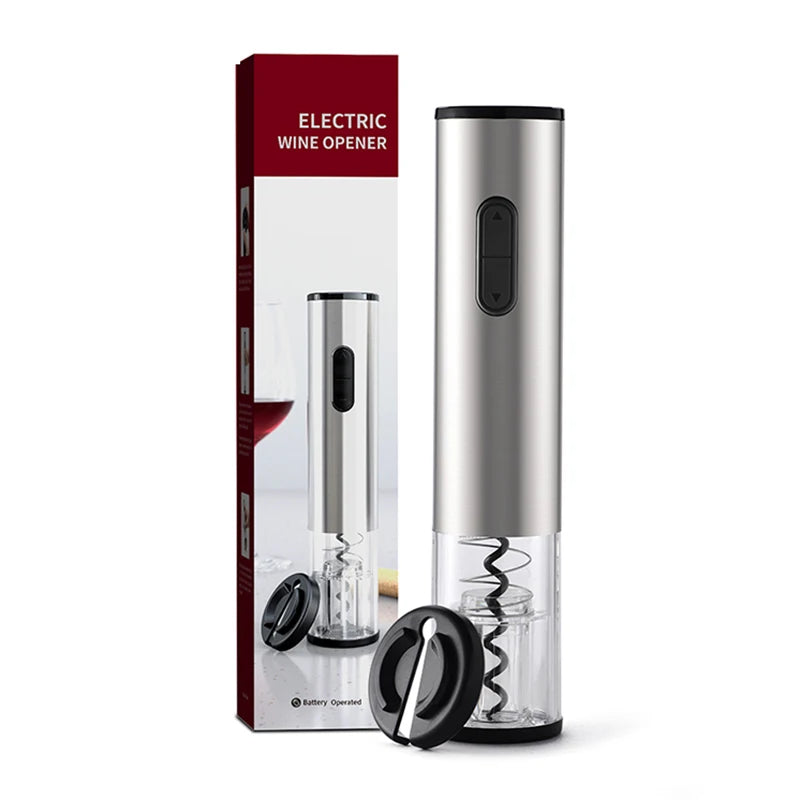






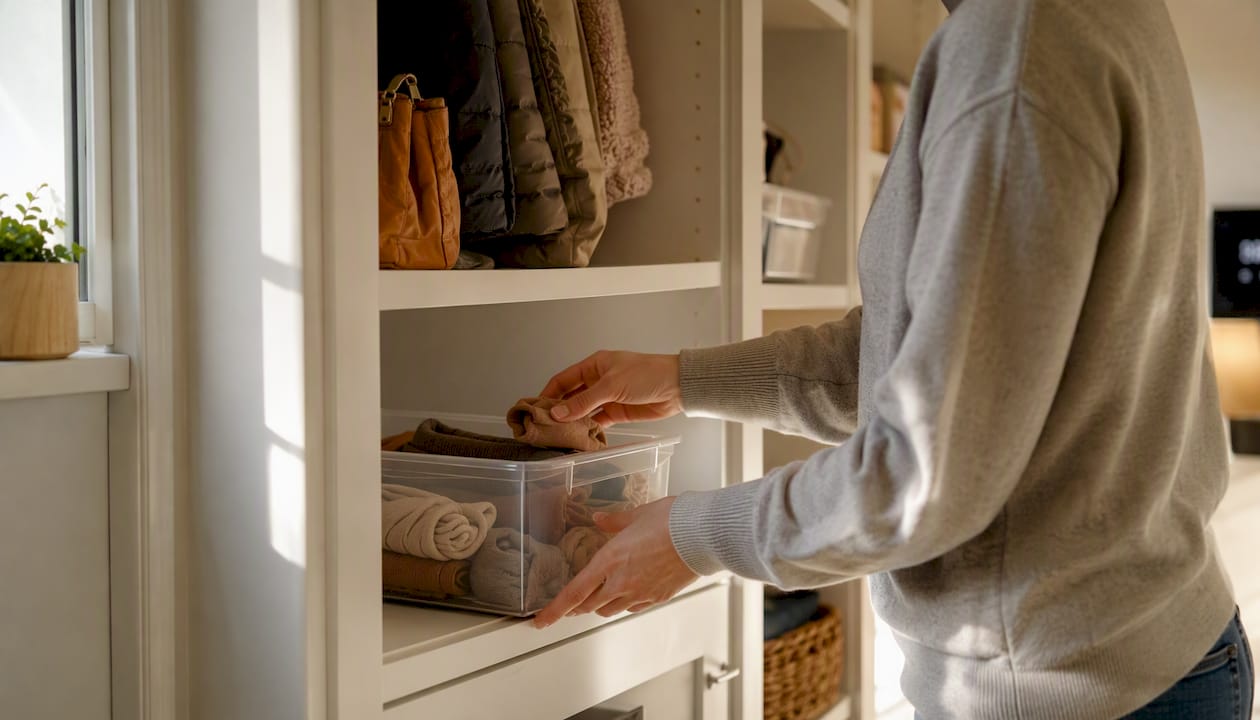
Start with a 10-minute, single-surface sweep and sort every item into Keep, Donate, Trash, or Maybe. That single habit produces real, visible progress you can feel today, and it works whether you have a spare kitchen counter or an entire garage staring you down.
Do these three things right now:
Your fastest wins are sitting in plain sight:
That’s it. You’ve already started decluttering efficiently, and momentum is the entire game.
Efficient decluttering works when you combine short, timed sessions with strict sorting rules and remove donate or trash items from your home immediately.
| Point | Details |
|---|---|
| Start small, start now | A 10-minute single-surface sweep with Keep, Donate, Trash, Maybe sorting builds instant momentum. |
| Match the method to your time | Use 10-10 or the five-item sweep for quick wins, KonMari for full resets. |
| Remove bags immediately | Leaving donate or trash bags in the house undoes the mental relief of a session. |
| Build daily and weekly habits | A five-item sweep and a weekly drawer check prevent clutter from rebuilding. |
| Speed up maintenance with smart tools | Sabezon’s robot vacuums and kitchen gadgets help keep cleared spaces clear with less daily effort. |
You don’t need a free Saturday to make a dent. You need a clear plan sized to the time you actually have, and a way to stop yourself from overthinking it.
The 5-minute plan is built for the moment you’re waiting on dinner to cook or a call to start. Do a “five-item sweep”: find five things that don’t belong in the room and return them to their homes. This is essentially the 1-2-3-4-5 method, which works because it removes the mess without demanding a full session. Repeat it daily and it becomes a habit instead of a chore.

The 30-minute plan targets one drawer, shelf, or small closet. Grab bags or bins labeled Keep, Donate, Toss, and Maybe, then move fast. This mirrors the 10-10 method, where you commit to pulling at least 10 items out of a space in 10 minutes. Stack two or three of those sprints back to back and you’ve cleared a full drawer set in half an hour.
The 2-hour plan takes on a single room zone, like a bedroom closet or a kitchen cabinet run. Break it into four 25 to 30 minute timed blocks with short breaks between them. Use the four-box method (Keep, Donate, Trash, Relocate) and physically remove the Donate and Trash boxes from the room the moment the timer stops.
Pro Tip: Don’t let bags sit by the door “for later.” A common mistake people make is leaving donation and trash bags in the house after a session, which quietly undoes the mental relief the work just gave you. Load them into your car or by the front step before you sit back down.
Every popular method solves a slightly different problem, and picking the wrong one for your situation is why so many attempts stall out.
Choosing between them comes down to three signals: how much time you have, how emotionally loaded the space is, and how big the area is. A junk drawer calls for 10-10. A closet full of a parent’s old clothes calls for KonMari’s slower, category-based pace.
Professional organizers consistently push back against the “one heroic weekend” fantasy. Small, repeatable numeric methods work better long-term because they turn decluttering into a game you can win in short bursts, rather than a marathon you keep postponing.
Start where the clutter creates the most daily friction, not where it looks the worst. A messy garage you visit twice a week matters less than a chaotic entryway you walk through every single day.
Here’s a priority order that delivers the fastest emotional payoff:
Success at each stage looks different: a 20-minute entryway session should end with a clear path to the door, while a 2-hour garage session should end with defined zones, even if boxes remain.
The slowest part of decluttering isn’t the physical sorting. It’s the mental negotiation over every single item, and that’s exactly where most people lose momentum.
Use a small set of decision rules instead of relitigating each object from scratch:
There’s a real physiological reason tiny sessions beat marathon ones. Overwhelm can trigger a mild threat response in your nervous system, and breaking a project into small, timed chunks acts as a safety cue that keeps you from freezing up entirely. A 10-minute timer isn’t a gimmick. It’s a way of telling your brain the task has an end point.
If you’re decluttering with a partner or housemates, skip vague debates. Use a scripted line like, “I’m putting this in Maybe for two weeks. If neither of us needs it by then, it’s gone.” It removes the emotional standoff and replaces it with a rule.
Pro Tip: Pre-decide your labels before you touch a single item. Strict categories like Keep, Donate, Toss remove the need to invent a decision on the spot, which is where most sessions slow to a crawl.
Sorting is only half the job. Items that sit in a “Maybe” pile for months aren’t decluttered, they’ve just moved to a different corner of the house.
Quick triage rules:
Set logistics before you start, not after. Have a box ready for sellable items, a bag ready for donations, and a scheduled pickup or drop-off date on your calendar. If a donation service offers home pickup, book it before you begin sorting so the bags have a guaranteed exit.
The single most common way people undo their own progress is letting bags of donations sit by the door for weeks. The visual and mental relief of decluttering evaporates the moment the “removed” pile is still visible in your house.
Get bags out of the home the same day, even if that just means putting them in your car trunk.
A studio or one-bedroom apartment usually clears out in three to five days of 30-minute daily sessions. A typical two-bedroom home takes one to two weeks at the same pace. A full family home with a garage, attic, or basement often runs three to six weeks, especially when you’re working around a full schedule.
Expect a few small costs along the way:
Keep costs down by using free community recycling days, swapping unwanted items with neighbors, and scheduling free charity pickups instead of paying for a hauling service.
Decluttering once is easy compared to staying decluttered. The habit is what actually saves you time long-term, and it doesn’t require much daily effort.
Build three layers of routine:
To stop new clutter from piling up, treat habit-building as more effective than a one-time purge: adopt one-in-one-out for clothes and gadgets, give yourself a 48-hour waiting period before non-essential purchases, and use the hanger trick to track what you actually wear versus what just hangs there.
Pro Tip: Attach your new habit to something you already do daily, like brushing your teeth or making coffee. A Five-Item Sweep tacked onto an existing routine sticks far better than one floating on its own.
The right tools cut sorting time and make maintenance nearly automatic. You don’t need much, but a few specific items pay for themselves fast.
For sorting sessions, keep it simple: clear bins so you can see contents at a glance, a catch-all basket by the door, four labeled boxes for your sort system, and sturdy trash bags that won’t tear mid-carry. A kitchen timer or your phone’s timer app covers every timed method in this guide.
For ongoing upkeep, smart gadgets shrink the daily effort of keeping a space clear. A robot vacuum handles floor maintenance without you lifting a finger, which matters once a room is actually clear enough for one to navigate. A compact food processor speeds meal prep and reduces the counter clutter that builds up from half-used ingredients and single-task gadgets crowding your kitchen.
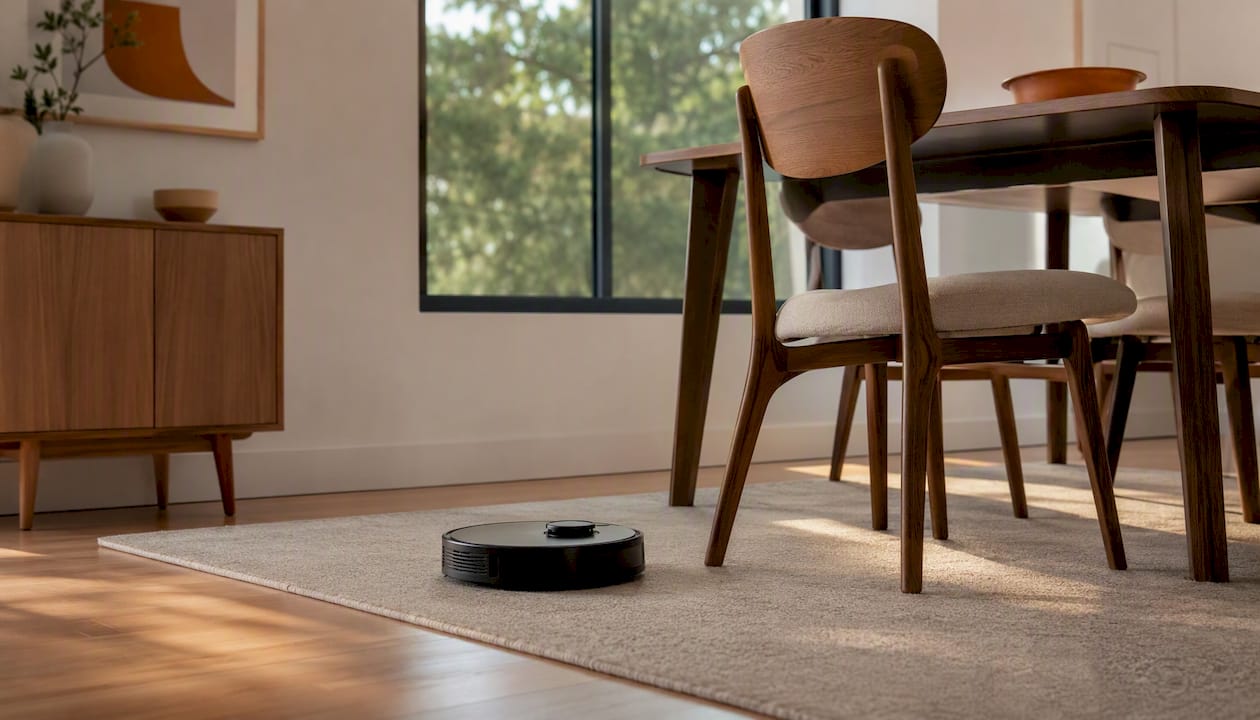
Pro Tip: Buy your storage solutions after you declutter, not before. Sabezon’s smart home guide is a useful read once you know what’s actually staying, so you don’t end up organizing clutter you should have thrown out.
Physical clutter and digital clutter feed each other more than people realize. A phone buried in 40 unopened apps and a photo library with 12,000 unsorted images creates the same low-grade mental drag as a messy closet.
Apply the same time-boxed logic here. Give yourself 10 minutes to delete unused apps, using the same instinct as the 20/20 rule: if you haven’t opened it in 90 days and could redownload it in under a minute, it goes.
Run a photo purge in short sprints too. Instead of trying to sort years of images in one sitting, tackle one month at a time, deleting duplicates and blurry shots as you go. Unsubscribe from five email lists a day until your inbox stops feeling like a chore to open.
File organization deserves the same four-box logic as a physical drawer: Keep, Archive, Delete, Undecided. Set a recurring 15-minute calendar reminder to clear your desktop and downloads folder weekly, since that’s usually where digital clutter accumulates fastest. Treat your digital spaces as rooms in the house. They need the same short, repeatable resets, not a single overwhelming cleanup marathon.
A simple tracking system keeps you from losing momentum between sessions, especially on a multi-week project.
Build a basic checklist with four columns: Zone, Method Used, Date Completed, and Bags Removed. Every time you finish a session, log it. Seeing “14 bags removed” after two weeks is motivating in a way that a half-cleared closet alone isn’t.
Set milestones tied to rooms, not calendar dates. Milestone one might be “entryway and one closet done.” Milestone two could be “kitchen and bathroom complete.” Milestone three might be the garage or attic, since that’s usually the longest stretch. Breaking the whole project into three or four milestones keeps the finish line visible instead of abstract.
A simple version works fine on paper or in a notes app:
Check boxes as you go and note bag counts next to each line. The visible progress does more for follow-through than any productivity app, mostly because it’s specific to your actual home instead of a generic task list.
Most people quit decluttering not because the method failed, but because they picked a pace that didn’t match their actual life. If you’re someone who thrives on short daily bursts, a 12-12-12 weekend challenge will burn you out fast. If you like deep, uninterrupted focus, ten scattered five-minute sweeps a week will feel unsatisfying.
Pick the method that matches your rhythm, not the one that sounds the most impressive on paper. The 10-10 method and the five-item sweep exist because most of us don’t have a free weekend, and that’s fine. Progress that survives a busy month beats a perfect Saturday you can’t repeat. Once a space is finally clear, the right tools make it far easier to keep that way, which is really the whole point.
You’ve got the plan: timed sessions, strict sorting rules, and a habit system that keeps clutter from creeping back. The part that trips people up isn’t the declutter itself, it’s the maintenance afterward, especially in the two rooms that generate mess the fastest: the kitchen and the floors underneath everything.

That’s where a few smart gadgets from Sabezon genuinely earn their space, unlike the impulse-buy clutter you just cleared out. A robot vacuum keeps floors clean without adding another chore to your weekly routine, and a compact food processor cuts down on the pile of single-task kitchen tools that tends to sneak back onto your counters within a month. This is a publisher product suggestion, not a requirement, but if maintenance is where your past decluttering attempts have failed, it’s worth a look. Browse the Smart Cleaning collection or check out Sabezon’s full smart home lineup to see which tools fit the rooms you just cleared.
What is the fastest way to declutter a whole room? Break the room into zones and use timed sprints, like four 25-minute Pomodoro sessions with the four-box method (Keep, Donate, Trash, Relocate). Remove the donate and trash boxes the moment each timer ends.
How do I declutter efficiently without getting overwhelmed? Start with an embarrassingly small goal, like one drawer, and use a timer. Tiny, time-boxed sessions prevent the mental overload that causes people to give up entirely.
What is the 20/20 rule in decluttering? If an item could be replaced for under $20 in under 20 minutes, it’s safe to let go of it now instead of holding onto it “just in case.”
How often should I declutter to keep clutter from coming back? Run a five-item sweep daily, check one drawer or shelf weekly, and revisit your “Maybe” items monthly. Consistency matters more than intensity.
Should I declutter my whole house at once or room by room? Room by room, starting with high-traffic areas like the entryway and kitchen, delivers faster emotional payoff and is far easier to sustain than an all-at-once approach.