Cart
0
Complete Your Setup


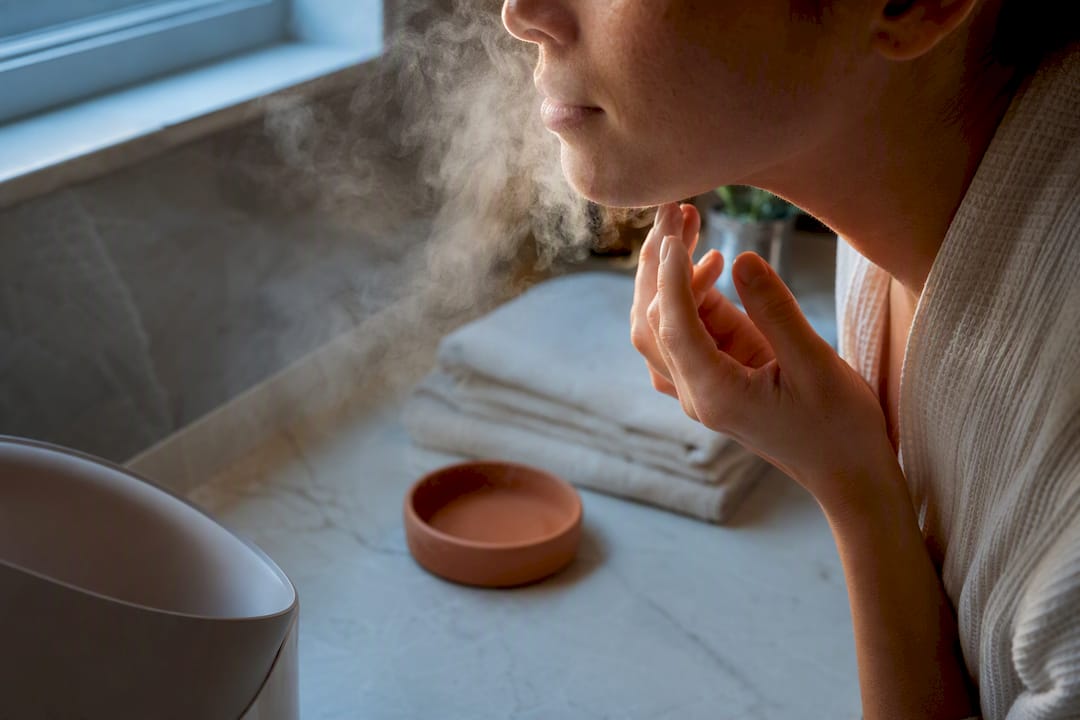
Facial steaming does help. It softens sebum and debris so extractions go smoother, gives skin a temporary hydration boost, improves how well serums and moisturizers absorb, and increases circulation for a short-lived glow. What it will not do is cure acne, calm rosacea long term, or replace a real skincare routine. Think of it as supportive self-care, best used with the right timing, temperature, and frequency.
TL;DR:
- Facial steaming is most effective for softening sebum, which facilitates easier blackhead extraction and short-term hydration.
- Using a regulated device such as an electric or ultrasonic steamer is safer and provides more consistent results than uncontrolled bowl-and-towel methods.
- Steam offers temporary skin benefits like increased circulation and product absorption but does not treat chronic conditions such as acne or rosacea.
- Avoid steaming if you have active rosacea, broken capillaries, or recent skin treatments, and stop immediately if irritation or excessive redness occurs.
- Limit sessions to once or twice weekly depending on skin type, and always clean and maintain your steamer to prevent mineral buildup and device failure.
Warm, moist air raises the water content on the skin’s surface and softens the material sitting inside pores. That’s the whole mechanism. Pores don’t have muscles, so they don’t “open” and “close” the way a lot of skincare marketing implies. What actually happens is that heat and moisture loosen the plug of oil, dead skin, and debris that sits inside a clogged follicle, which makes it easier to clear without digging or squeezing.
Steam also causes vasodilation, meaning your blood vessels near the surface widen slightly. That’s why skin looks flushed and dewy right after a session. It’s a temporary effect, not a lasting change to skin tone or texture.
There’s a difference between heated steam and cool ultrasonic mist worth knowing before you shop:
According to WebMD, steaming offers temporary hydration and symptomatic relief, not a cure for chronic skin conditions.
Your steaming method matters as much as the steaming itself. Some approaches carry real burn risk; others are built to minimize it.
If you’re steaming at home regularly, an electric or ultrasonic device is the safer long-term choice.
Not every claim about facial steaming holds up the same way. Here’s how the most common benefits stack up against what’s actually documented.
Reality check: Dermatology guidance is consistent on one point: steaming is not treatment for acne or rosacea. WebMD’s consumer health guidance is explicit that facial steaming provides temporary relief, not a cure for chronic inflammatory skin conditions. If you’re managing a persistent skin condition, steam is a complement to your routine, never a replacement for it.
Steam’s biggest risk isn’t hype, it’s heat. Uncontrolled hot water can burn skin fast, and even a regulated device can aggravate certain conditions if you overdo it. Research on skin barrier function warns that excessive heat or prolonged steaming increases transepidermal water loss, which strips moisture rather than adding it.
Skip or limit steaming if you have:
Watch for these signs you’ve overdone it: persistent redness that doesn’t fade within 30 minutes, tightness, stinging, or new irritation. Stop immediately if any of these show up, and give your skin a few days to recover before trying again.
Pro Tip: Never add essential oils to your steamer’s water tank unless the manufacturer specifically says it’s safe. Oils can clog internal components and, worse, concentrate into hot vapor that irritates skin far more than plain steam.
Always use distilled water in an electric steamer. Tap water leaves mineral deposits that shorten the device’s life and can spit fine particulate onto your face.
Getting the benefits without the irritation comes down to timing and restraint, not fancy technique.
Frequency depends on your skin type: oily skin can typically handle steaming up to twice a week, normal or combination skin does well with once a week, and dry or sensitive skin should stretch it to every one to two weeks, or skip it during flare periods. A step-by-step at-home routine can help you calibrate timing to your own skin’s response, and pairing it with a sequential K-beauty style routine is a smart way to layer products after steaming.
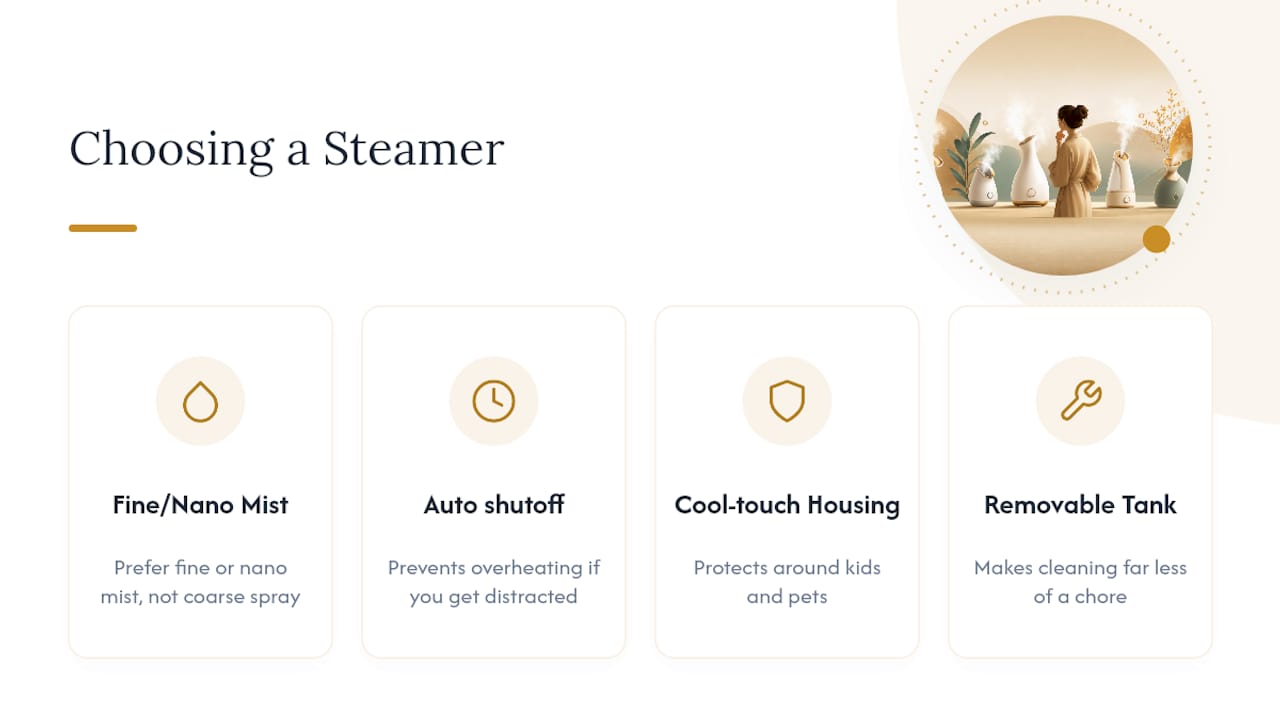
Not all steamers are built the same, and the differences matter for both safety and results. Look for a device with fine or nano mist output rather than a coarse, splattery spray. Auto shutoff is worth prioritizing since it protects against overheating if you get distracted mid session. Cool-touch housing matters if you have kids or pets around, and a removable water tank makes cleaning far less of a chore.
Maintenance is simple but easy to skip. Use distilled water every time, empty and dry the tank after each session, and descale on the schedule your manufacturer recommends to prevent mineral buildup and device failure. Skip essential oils unless your device’s instructions explicitly allow them.
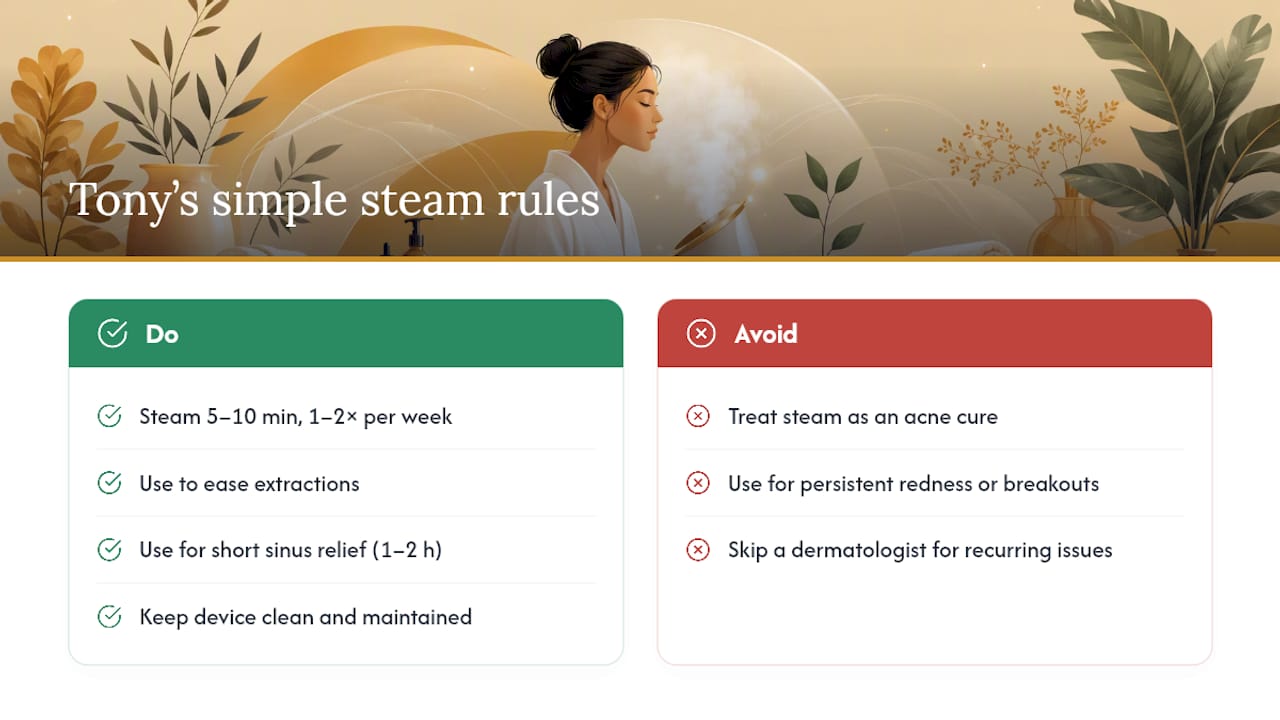
Most questions about facial steamers come down to one thing: people want to know it actually works before they commit to a new habit. It does, within limits. A 5 to 10 minute session, once or twice a week, reliably makes extractions less of a fight and takes the edge off stuffy sinuses for an hour or two. That’s a real, useful outcome even though it’s a modest one.
Where people get into trouble is treating steam like a fix for persistent breakouts or redness. It’s not. If a skin issue keeps coming back, a dermatologist matters more than any device. Our routine guide and congestion-focused walkthrough both stick to what steam realistically delivers, and device maintenance gets equal billing with the skincare benefits, because a poorly maintained steamer causes more problems than it solves.
— Tony
A lot of facial steamers on the market still rely on basic heating elements with no shutoff and inconsistent mist output, which means more guesswork about burn risk and less control over your session. Sabezon’s Calira™ Facial Steamer uses nano mist technology built for even hydration, with a removable tank that makes the distilled water and cleaning routine genuinely easy to keep up with.

If your skin has been asking for a consistent steaming routine and you’d rather not deal with a bowl of boiling water, this is a simpler path to the same benefits. Browse the full smart home tech collection or head straight to the Calira™ product page to see specs and get one on the way to your bathroom counter.
For deeper medical context beyond this guide, these sources cover the clinical side directly: WebMD on facial steaming, Cleveland Clinic’s skin steaming breakdown, Healthline’s steaming benefits and how-to, and the NCBI review on skin barrier and heat exposure.
Once a week works well for normal or combination skin, oily skin can often tolerate twice weekly, and dry or sensitive skin should stretch sessions to every one to two weeks.
It can soften sebum and make extractions easier, but major health authorities are clear that steaming is not a cure for acne and shouldn’t replace an actual acne treatment plan.
Only if your specific device’s instructions say it’s safe. Oils can clog internal parts and irritate skin more than plain steam.
Heat is a common rosacea trigger, so steaming is generally best avoided or used very cautiously if you have rosacea or frequent flushing, and a dermatologist’s input matters here.
Cleanse first. Steaming works on clean skin, and steaming over makeup or surface oil just pushes debris around instead of clearing it.