Cart
0
Complete Your Setup




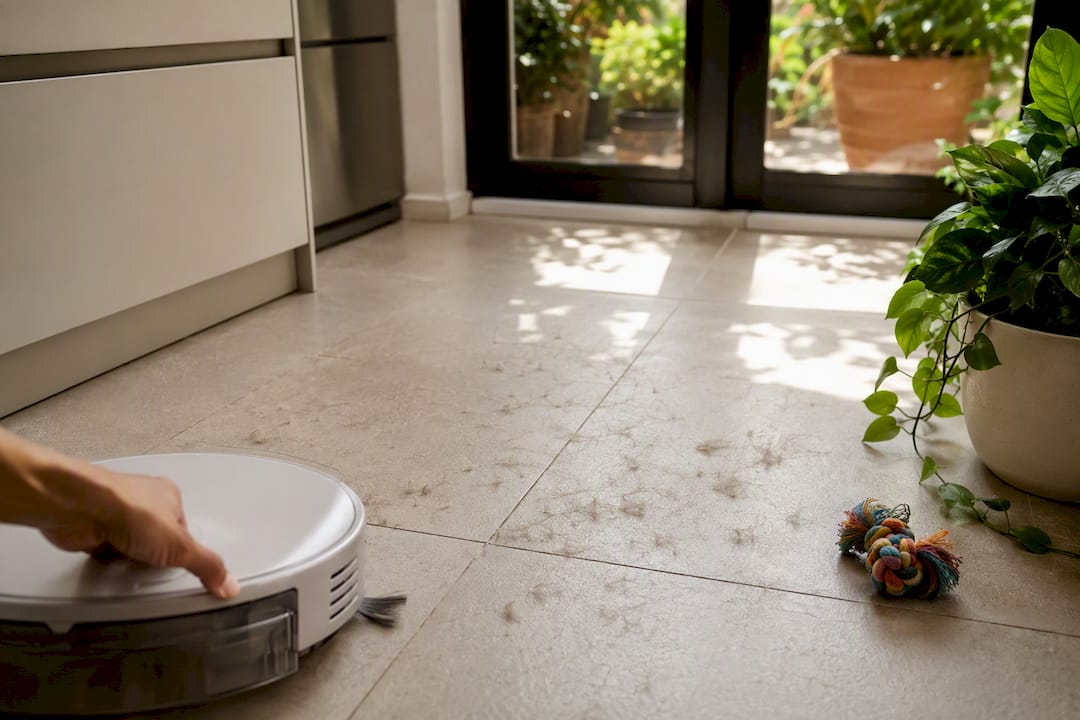
For pet households seeking hands-off hair management, the Sabezon FloorPilot™ Smart Robot Vacuum is our recommended solution. It’s built around the two things that matter most when you share a home with a shedding cat or dog: hair that doesn’t wrap around the brush, and a dock that doesn’t send dander back into your living room.
Pro Tip: If you have a heavy-shedding double-coated breed and a mostly carpeted home, prioritize brush design and dock filtration over top-line suction numbers. That combination does more for your daily life than an extra 1,000 Pa ever will.
This pick works best for mixed-floor homes with moderate to heavy shedding. If you live in a small apartment with one low-shedding cat, you may not need the full setup, but for anyone dealing with visible hair on hardwood and embedded fur in carpet, it’s the right starting point.
Brush geometry, not suction power, determines whether a robot vacuum actually solves your pet hair problem long term.
| Point | Details |
|---|---|
| Brush design comes first | Anti-tangle rollers reduce wrap and maintenance more than any suction spec on the box. |
| Match features to floors | Prioritize carpet contact for high-pile rugs and airflow for mostly hardwood homes. |
| Sealed HEPA docks protect allergy households | A sealed base prevents dander from recirculating during the auto-empty cycle. |
| Budget for consumables, not just the sticker price | Filters, brush rolls, and bags shape your real three-year ownership cost. |
| Sabezon FloorPilot™ matches every criterion | Anti-tangle brushes, a sealed HEPA dock, and LiDAR navigation built for pet households. |
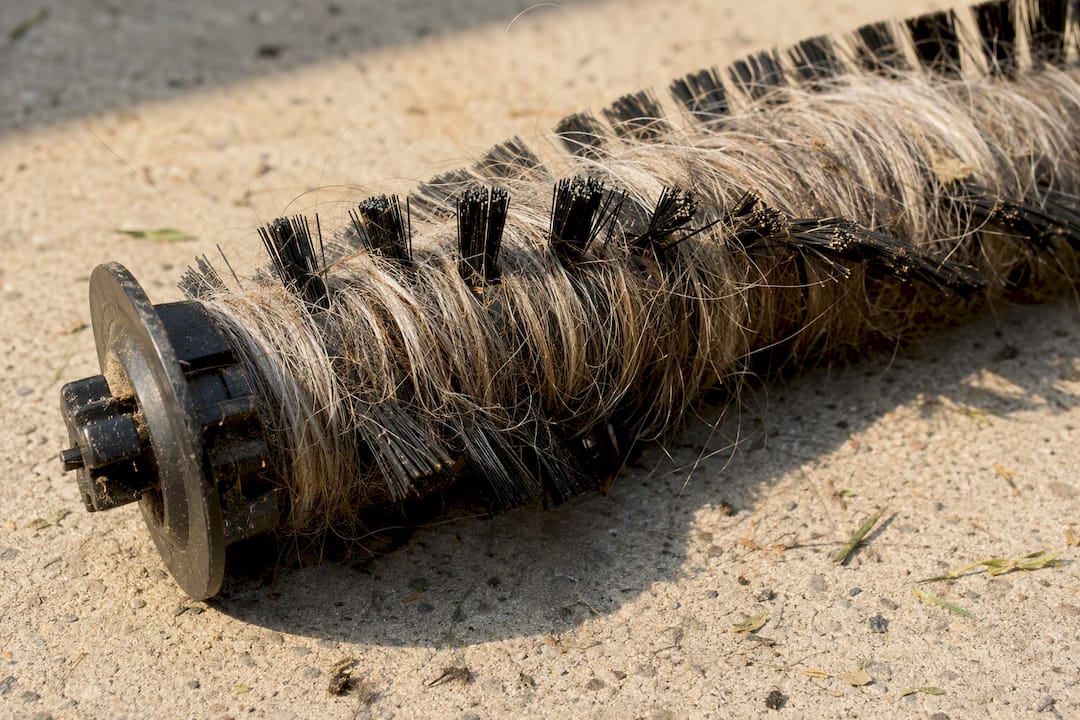
Suction gets the marketing spotlight, but brush geometry does the actual work of separating hair from carpet fiber and moving it into the dustbin without jamming the motor. A traditional bristled brush roll acts like a fine-tooth comb dragging through a shedding dog’s coat. Hair catches on the bristles, wraps around the axle, and within days you’re pulling a solid rope of fur out with scissors.
Dual rubber rollers or counter-rotating extractors solve this differently. Instead of bristles that grab hair, rubber fins flex and release, lifting hair off the floor and flinging it toward the suction channel rather than winding it around the roller. Independent testing backs this up directly. Vacuum Wars testing found that models using anti-tangle roller systems achieved 100 percent pet-hair pickup on carpet with zero percent brush wrap, a result that flat-out beats machines relying on raw suction with a conventional bristle design. Consumer Reports runs a similar test, embedding a gram of cat fur into medium-pile carpet and weighing what ends up in the dustbin, and its findings consistently show brush design and turbo mode settings swing results more than suction specs alone.
The consequences of ignoring this go beyond an occasional annoyance. A brush roll wound tight with hair puts strain on the motor, which can shorten its life. Tangled hair also blocks airflow through the intake, so even a vacuum with strong suction starts underperforming within days of a heavy tangle. And every time you have to flip the robot over and cut hair free with scissors, you’re spending time the machine was supposed to save you in the first place.
RTINGS reaches the same conclusion in its lab scoring: tangle resistance tracks with brush contact and geometry, not with how high a spec sheet’s peak suction number climbs. If you remember one thing from this section, make it this: don’t let a big Pa number distract you from asking what the brush roll is actually made of.
Suction power (measured in Pascals, or Pa) tells you how hard a vacuum pulls air, but it says nothing about whether that air pulls hair out of carpet fibers or just skims the surface. Hair embedded in medium or high pile carpet needs physical brush contact to break loose. A robot vacuum can advertise 6,000 Pa and still struggle on plush carpet if its rollers don’t dig deep enough to disturb the fibers where the hair actually hides.
Here’s how to think about it by floor type:
CNET’s lab-tested results show that pickup percentages vary widely across models even when suction specs look similar on paper, which reinforces that brush contact and carpet-boost logic do more heavy lifting than the number on the box.
Combo vacuum-and-mop units add another layer worth thinking through. If your dog tracks in muddy paw prints or your cat has the occasional water bowl accident, a mop function is genuinely useful for cleanup between deeper cleans. But mopping and hair pickup don’t always mix well in the same pass. Running a wet mop pad over a carpet edge covered in shed hair can smear hair into the fibers instead of lifting it, and some machines will pause suction while mopping is active. The better approach: schedule vacuum-only runs on heavy hair days, and reserve mop mode for hard floors where paw prints are the actual problem you’re solving.
The dock does more for allergy-sensitive households than almost any other spec on the sheet. When a robot vacuum with an unsealed base empties its bin, it can vent fine dust and dander back into the room during the transfer, undoing part of the cleaning it just did. A sealed HEPA-rated auto-empty base traps that debris in a filtered bag or bin so it stays contained until you take it out.
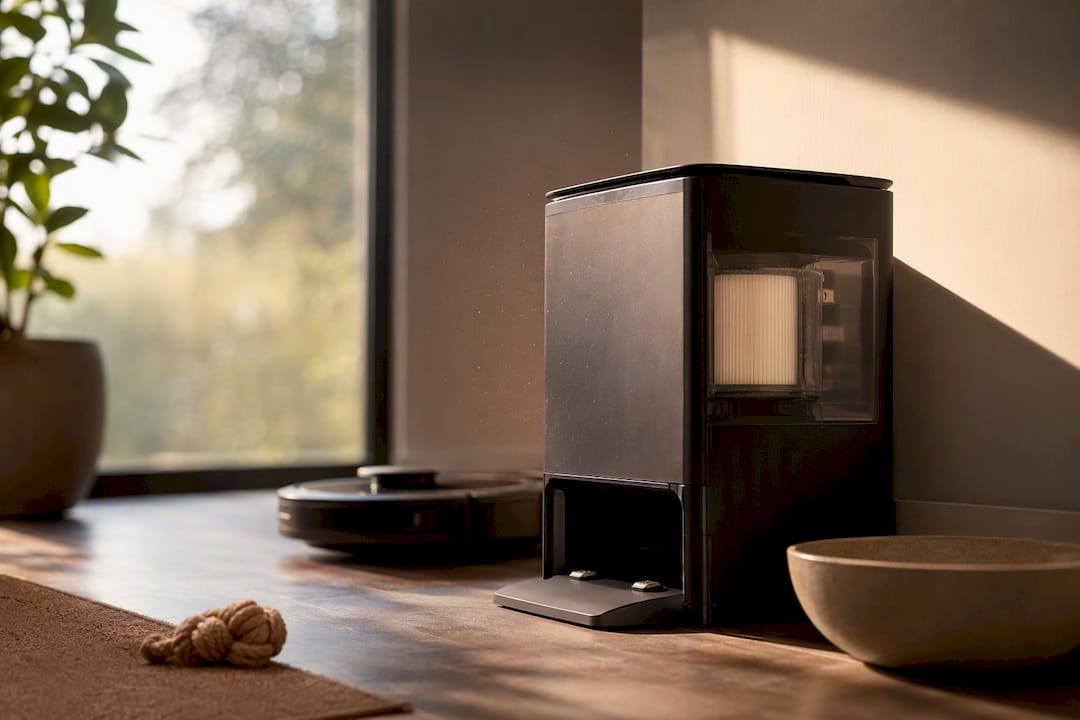
Bagged and bagless auto-empty bases work differently in daily use. Bagged systems hold more debris per cycle and contain odor better, which matters if you’re dealing with a cat litter-adjacent room or heavy shedding. Bagless bases cut the ongoing cost of buying bags but need more frequent manual emptying and closer attention to filter condition. Reviews focused on allergy-conscious buyers consistently recommend sealed HEPA bases specifically because they reduce dander recirculation, and pairing one with a HEPA air purifier compounds the benefit for anyone managing pet allergies at home.
How often you’ll need to empty the dock depends on your household’s shedding load:
| Household Profile | Typical Emptying Interval |
|---|---|
| One short-haired cat, mostly hard floors | Every 2 to 3 months |
| One or two dogs, mixed hard floor and carpet | Few weeks to few months |
| Multiple pets or a heavy-shedding breed, mostly carpet | Every 2 to 3 weeks |
| Multi-pet household with high-pile carpet throughout | Weekly |
Filters and bags are the recurring cost hiding behind that convenience. A sealed HEPA dock system typically needs a filter swap every two to three months and a bag change every few weeks to few months depending on usage, and both factor directly into your three-year ownership math. Skip cheap unfiltered bags to save a few dollars upfront, and you’ll likely spend more later replacing a motor that choked on fine dust it should never have ingested.
Navigation technology has genuinely improved how well robot vacuums handle a floor littered with dog toys, but no system eliminates the risk entirely. LiDAR mapping builds an accurate floor plan and is excellent at avoiding furniture and walls, but it doesn’t always recognize a soft chew toy low to the ground. Camera-plus-AI systems are trained specifically to recognize common household objects, including pet waste in many newer models, and tend to perform best at avoiding messes a LiDAR-only system would drive straight through. Time-of-flight (ToF) sensors add close-range object detection that helps catch smaller items missed by cameras or lasers alone.
The honest expectation to set here: these systems reduce encounters with toys, cords, and accidents, but they don’t guarantee zero. A camera-based system trained on common objects still won’t recognize every toy your dog owns, and lighting conditions affect camera reliability at night or in dim rooms.
Practical prevention beats relying on the robot’s judgment alone:
A mapping and zoning guide can walk you through setting these no-go zones correctly the first time, which saves you from discovering the hard way what happens when the robot finds an accident before you do.
Budgeting for a robot vacuum doesn’t stop at the purchase price. Consumables and upkeep are the real cost driver over time, and pet households burn through them faster than single-person, no-pet homes.
Here’s a maintenance rhythm that keeps a pet-household robot running well:
Typical consumable price ranges and replacement cadence look like this:
Add up filters, brush rolls, and bags over three years and buying guidance from CNET indicates that well-designed systems can have relatively low total consumable costs, while poorly designed brush systems that wear out faster or require more frequent bag changes may incur higher costs. The single biggest lever for keeping this number low is choosing anti-tangle brush geometry from the start, since less wrap means less wear on the roller and fewer early replacements.
Pro Tip: Skip the mop pads entirely if your main goal is hair control. Combo mop-and-vacuum units cost more to maintain long term, and if paw prints aren’t a daily problem in your home, a vacuum-only model with a stronger brush and dock will save you money over three years.
The single most effective habit for pet hair control isn’t a feature on the spec sheet. It’s frequency. Vacuum Wars and other testers consistently recommend running the robot daily or near-daily in shedding households, since hair that sits on carpet for multiple days works its way deeper into the fibers and becomes harder to extract on the next pass.
A routine that works for most pet households:
Pro Tip: Pair your robot’s daily run with a quick five-minute brushing session on your pet during peak shedding weeks. Less hair on the floor means less strain on the brush roll and fewer emptying cycles for the dock.
For more routines that cut down on manual cleaning time across the rest of your home, this guide on cleaning smarter walks through similar principles applied room by room.
Every feature we’ve walked through in this guide points to a specific set of priorities: brush design that resists tangling, a dock that seals in dander, navigation that respects your floor plan, and controls that don’t require you to think about the robot once it’s set up. The FloorPilot™ Smart Robot Vacuum was built around that exact list.
Picture a household with one shedding Labrador, hardwood in the living room, and medium-pile carpet in the bedrooms. Running FloorPilot™ on a daily schedule with zone cleaning targeted at the living room and hallway keeps visible hair off the hardwood, while the anti-tangle roller handles the carpet transitions without needing a weekly hair-cutting session. The sealed dock means the household empties debris roughly once a month instead of managing an open bin every few days, which matters directly for anyone in the family managing dander sensitivity.
If you’re ready to see how the setup fits your specific floor plan and shedding level, the Smart Cleaning collection shows the full lineup of compatible accessories alongside the FloorPilot™ product page itself.
The biggest mistake I see pet owners make is shopping by suction number alone. A big Pa figure on a listing feels like the safest bet because it’s the easiest spec to compare, but it tells you almost nothing about whether hair will wrap around the brush or whether the dock will trap dander instead of stirring it back into the air. Chase the brush design first. Suction is real, but it’s the third decision, not the first.
The second mistake is treating dock filtration as an afterthought. People will spend an extra $50 on a slightly higher suction rating and skip the sealed HEPA base entirely, then wonder why their allergies haven’t improved. That’s backwards for most pet households.
The third mistake is expecting zero maintenance. No robot, regardless of price, eliminates the need to occasionally check a brush roll or swap a filter. What separates a good pet-hair vacuum from a frustrating one isn’t the absence of maintenance. It’s how infrequent and fast that maintenance becomes when the brush design and dock actually do their job.
— Tony
Sabezon built FloorPilot™ specifically to solve the hair problem that generic robot vacuums treat as an afterthought. Instead of comparing spec sheets and guessing which brush design will actually hold up against your dog’s undercoat, you get anti-tangle rollers, a sealed HEPA dock, and LiDAR mapping already matched to what pet households need most.

Setup takes about 20 minutes from unboxing to first cleaning cycle, including dock placement and a quick map of your home through the app. Once it’s running, a daily schedule targeting your pet’s favorite rooms is the fastest way to see the difference, and you’ll want a spare HEPA filter and brush roll on hand by month three to keep performance consistent. Browse the Smart Cleaning collection to see FloorPilot™ alongside compatible accessories, or head to Sabezon’s homepage to explore the full lineup of smart home tools built for busy, pet-owning households. If you’re ready to stop pulling hair out of a brush roll by hand, this is the next step.
Consumer Reports backs the carpet-testing and brush-design claims in this guide. RTINGS supports the suction-versus-contact distinction. CNET informs the dock and obstacle-avoidance sections, and Forbes supports the anti-tangle feature recommendations. For general cleaning and maintenance tips beyond robot vacuums, Limpieza Tropical’s blog offers additional household guidance. On Sabezon’s own site, the FloorPilot™ product page and Smart Cleaning collection cover the accessories referenced throughout this guide.